TL;DR
Weather, a dynamic and ever-changing phenomenon, shapes our daily lives and adds beauty to the natural world. This guide delves into the science behind weather patterns, explores its impact on human activities, and highlights how we can adapt to and appreciate its diversity, from sun-kissed summer festivals to snowy mountain retreats.
Understanding Weather: The Science Behind the Sky
The Basics: What is Weather?
Weather refers to the state of the atmosphere at a specific time and place concerning temperature, humidity, atmospheric pressure, wind, and precipitation. It's a complex interplay of various factors, primarily energy, air movement, and moisture.
Key Elements of Weather
- Temperature: Measures the heat or coldness of the air, typically expressed in degrees Celsius or Fahrenheit.
- Atmospheric Pressure: The weight of the air above a specific point. High-pressure systems often bring fair weather, while low-pressure systems are often associated with storms.
- Humidity: The amount of water vapor in the air, which can affect how warm or cold we feel.
- Wind: The movement of air from high-pressure areas to low-pressure areas, driving weather patterns.
- Precipitation: Any form of water that falls from the sky, including rain, snow, sleet, or hail.
How Weather Forms
Weather patterns are generated by the sun's energy, which heats the Earth's surface unequally, creating temperature variations. These differences in temperature cause air to rise, cool, and condense, leading to cloud formation and precipitation.
The Impact of Weather on Our Lives
Weather and Daily Life
Weather significantly influences our daily routines, from morning commutes to outdoor activities. It affects travel, agriculture, and even our moods.
Seasonal Changes and Weather Patterns
Different seasons bring distinct weather conditions:
- Spring: Often brings mild temperatures, blooming flowers, and occasional showers.
- Summer: Characterized by warm to hot temperatures, long days, and occasional thunderstorms or heatwaves.
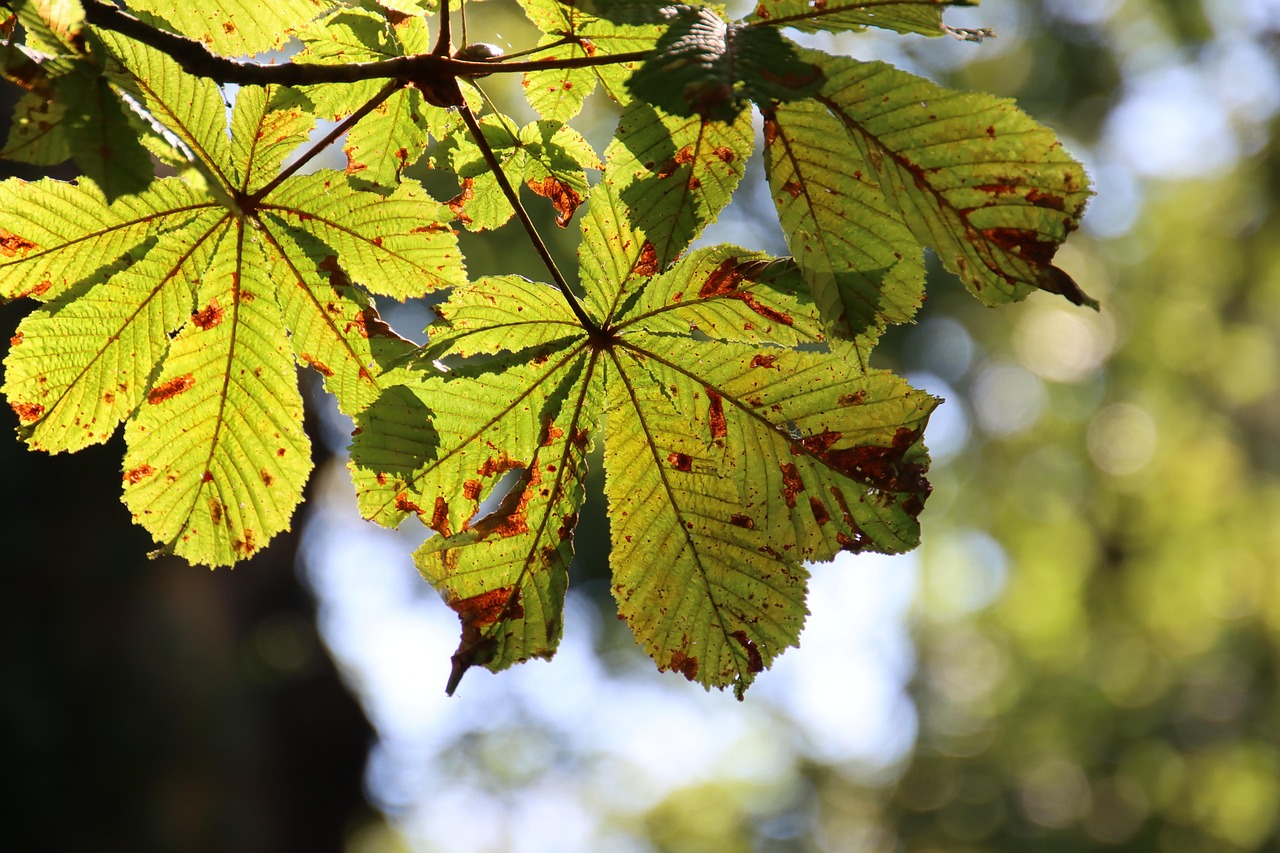
- Autumn (Fall): Known for cooler temperatures, vibrant foliage, and changing precipitation patterns.
- Winter: Cold temperatures, snow, and shorter days are typical, creating a winter wonderland in many regions.
Weather and Human Activities
Outdoor Events and Weather
Weather plays a pivotal role in organizing and enjoying outdoor activities:
- Summer Music Festivals: Warm, clear skies provide the perfect setting for outdoor concerts and music festivals.
- Fall Foliage Hikes: Cooler temperatures and vibrant leaf colors make autumn ideal for hiking and admiring nature's palette.
- Winter Sports: Snowy mountain retreats offer opportunities for skiing, snowboarding, and other winter sports.
- Cozy Holiday Gatherings: During the holidays, warm weather encourages indoor gatherings with family and friends, often centered around a cozy fireplace.
Weather's Impact on Agriculture
Farmers closely monitor weather patterns for optimal planting, harvesting, and livestock management. Droughts, floods, and severe storms can significantly impact crop yields and agricultural practices.
Navigating Weather: Forecasting and Safety
Weather Forecasting: Tools and Techniques
Weather forecasting involves using advanced technologies and scientific methods to predict weather patterns:
- Weather Stations: These collect data on temperature, humidity, pressure, and wind speed, providing real-time information.
- Satellite Imagery: Offers a bird's-eye view of weather systems, helping meteorologists track storms and fronts.
- Radar: Uses radio waves to detect precipitation, lightning, and storm movement.
- Computer Models: Complex mathematical models simulate atmospheric conditions, aiding in long-term and short-term predictions.
Staying Safe During Extreme Weather
Some weather events can be dangerous. Here's how to stay safe:
- Know the Warning Signs: Educate yourself about different types of severe weather and their indicators.
- Prepare an Emergency Kit: Stock up on non-perishable food, water, batteries, flashlights, and essential medications.
- Follow Official Advice: Listen to local authorities and follow their instructions during emergencies.
- Secure Your Property: Protect your home and belongings by securing loose objects and reinforcing windows and doors.
Frequently Asked Questions (FAQs)
-
How do weather patterns change with seasons?
Seasonal changes are primarily due to the Earth's tilt on its axis and its orbit around the sun. This causes variations in the amount of solar energy reaching different parts of the planet, leading to shifts in temperature, precipitation, and day length.
-
What is the difference between weather and climate?
Weather refers to short-term atmospheric conditions, while climate describes the long-term average weather patterns in a particular region. Climate is a more stable and general trend, while weather is dynamic and constantly changing.
-
How do human activities impact the weather?
Human activities, especially the burning of fossil fuels, contribute to global warming, leading to climate change. This impacts weather patterns, causing more extreme and unpredictable weather events, such as heatwaves, storms, and droughts.
-
What are the best practices for staying warm during a cold snap?
During cold weather, dress in layers, wear insulated boots, and use a warm blanket. Keep your home well-insulated, and consider using space heaters or turning up the thermostat. Ensure your fireplace is functional and stocked with wood for cozy fires.
-
How can I enjoy the beauty of a snowy landscape?
Embrace winter wonders by participating in activities like snowshoeing, cross-country skiing, or simply building a snowman. Dress appropriately to stay warm and safe, and enjoy the peaceful beauty of a snowy mountain retreat or your local park.
Conclusion
Weather is a captivating and essential aspect of our lives, shaping our experiences and influencing our activities. Understanding weather patterns, their science, and their impact on our world allows us to appreciate the beauty and complexity of nature. From planning outdoor events to staying safe during severe weather, knowledge of weather conditions empowers us to make informed decisions and adapt to the ever-changing sky.
As we navigate through different seasons and weather events, let us embrace the magic of the weather, find joy in its diversity, and prepare for its ever-evolving surprises.