TL;DR: Understanding and Embracing Nature's Spectacle
In a world where the weather is ever-shifting, learning to navigate its patterns can enhance our experiences and connect us with nature. This article delves into the multifaceted world of weather, offering insights for every season, from sun-kissed summer days to snowy mountain retreats. We'll explore how to embrace each weather phenomenon, whether it's cozy holiday gatherings or vibrant fall foliage hikes, ensuring you make the most of every moment.
Introduction: A Journey Through the Seasons
The weather is a captivating and ever-changing tapestry that influences our daily lives and shapes our experiences outdoors. From the warmth of summer sunsets to the tranquility of a winter wonderland, each season brings unique weather patterns that deserve exploration and appreciation. This guide aims to empower readers with knowledge and inspire them to embrace the natural rhythms of the Earth.
The Seasons Unveiled: A Weather Odyssey
Summer: Sun-Soaked Days and Vibes
Summer is a time of year when the weather often cooperates, offering long, sunny days perfect for outdoor adventures. Here's how to make the most of this season:
-
Sun Protection: While enjoying the sunshine, remember the importance of sun protection. Wear protective clothing, sunglasses, and apply sunscreen regularly to prevent UV damage.
-
Summer Music Festivals: The warm weather encourages outdoor music festivals, bringing communities together for vibrant celebrations. From jazz in the park to rock concerts under the stars, these events offer a unique blend of entertainment and camaraderie.
-
Outdoor Activities: Summer is ideal for various activities like swimming, hiking, and camping. Explore scenic trails, cool off in lakes or oceans, and create unforgettable memories with friends and family.
Autumn: A Foliage Extravaganza
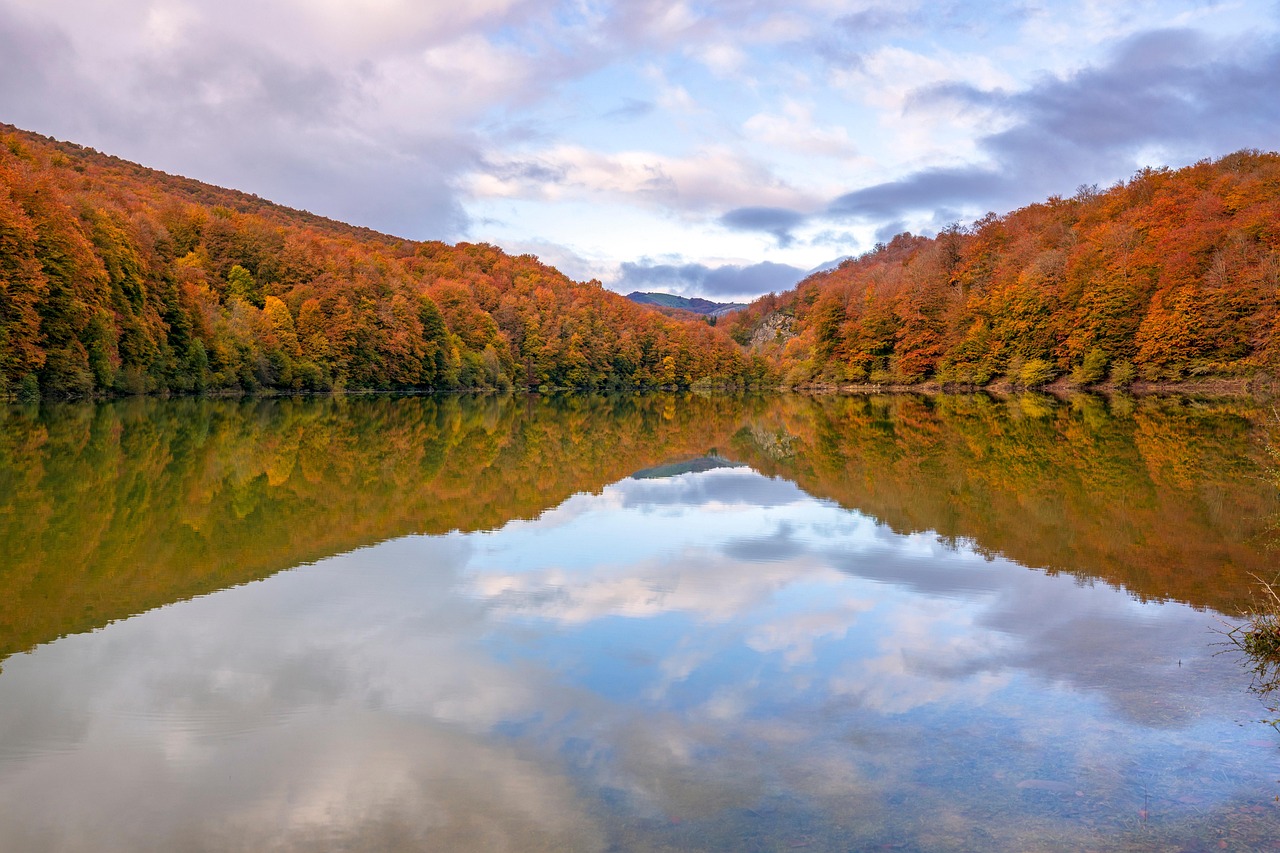
As summer transitions to autumn, the weather becomes cooler, and nature puts on a spectacular show of colors. This season is perfect for:
-
Fall Foliage Hikes: Plan hikes in forest areas known for their vibrant fall foliage. The changing colors create a breathtaking scene, offering a peaceful escape from everyday life.
-
Cozy Gatherings: Cooler weather invites cozy gatherings with loved ones. Enjoy indoor activities like baking, playing board games, or simply snuggling up by the fireplace with a warm beverage.
-
Seasonal Festivities: Autumn is rich in cultural and seasonal celebrations. From harvest festivals to Halloween, these events often feature local produce, traditional food, and community spirit.
Winter: A Season of Wonder and Cheer
Winter brings snowy landscapes and festive cheer, making it ideal for:
-
Snowy Mountain Retreats: Embrace the snow by visiting mountainous regions. Skiing, snowboarding, or simply building a snowman—winter offers unique outdoor experiences in these breathtaking settings.
-
Holiday Markets: Winter is alive with holiday markets, transforming urban spaces into magical worlds. Browse festive stalls, enjoy seasonal treats, and indulge in gift shopping for loved ones.
-
Winter Sports: From ice skating to cross-country skiing, winter weather encourages participation in various sports. These activities promote a healthy lifestyle and provide opportunities for social connections.
Embracing Change: Navigating Extreme Weather Events
While enjoying the seasons, it's essential to prepare for and navigate extreme weather events, such as:
-
Heatwaves: During intense summer heat, stay hydrated, limit outdoor activity during peak hours, and ensure access to air conditioning or cooling centers.
-
Blizzards: In severe winter storms, maintain an emergency kit with essentials like food, water, batteries, and warm clothing. Stay informed about weather updates and follow local instructions for safety.
Spring: Rebirth and Renewal
Spring marks the awakening from winter's slumber, bringing warmer weather and a burst of new life. This season encourages:
-
Gardening: As the ground thaws, spring is an ideal time to start a garden or plant flowers and vegetables. Connect with nature by nurturing your plants and watching them grow.
-
Outdoor Picnics: Enjoy the milder weather with picnics in local parks or gardens. Spring is a perfect time for al fresco dining, surrounded by blooming flowers and vibrant greenery.
Conclusion: Weather-Wise Living
The weather is an ever-present force that shapes our lives and surroundings. By understanding seasonal changes and embracing each weather phenomenon, we can enhance our connection with nature and create memorable experiences. Whether it's a summer sunset, a snowy mountain peak, or the vibrant hues of autumn foliage, each moment deserves appreciation.
Frequently Asked Questions:
-
How can I stay safe during extreme heatwaves?
- Stay hydrated, limit strenuous outdoor activity, wear lightweight clothing, and seek shade. Use fans or air conditioning to cool down indoors.
-
What are some winter safety tips for severe snowstorms?
- Stock up on essential supplies like food, water, batteries, and warm clothing. Keep your home well-insulated, and if driving, ensure your vehicle is equipped for winter conditions.
-
How can I make the most of fall foliage?
- Plan hikes in forest areas known for their autumn colors. Embrace the season with cozy gatherings, trying out new recipes with seasonal produce, and enjoying scenic drives through colorful landscapes.
-
Are there any health considerations during extreme weather changes?
- Yes, individuals with respiratory conditions may experience discomfort during sudden temperature changes. It's essential to monitor air quality indices and take necessary precautions.
-
What are some ways to enjoy summer music festivals safely?
- Stay hydrated, use sunscreen, wear comfortable shoes, and be mindful of personal belongings. Keep informed about festival guidelines and emergency procedures for a safe and enjoyable experience.