
TL;DR:
Weather, ever-changing and unpredictable, shapes our days from sunrise to sunset. This guide delves into the intricacies of weather patterns, its impact on our activities, and how to enjoy every season, from vibrant fall foliage hikes to cozy holiday gatherings by a fireplace. We’ll explore natural phenomena, seasonal events, and tips for adapting to the ever-mutating sky above.
Understanding Weather: A Cosmic Dance of Elements
Weather is much more than just the temperature outside. It’s the intricate interplay of solar radiation, atmospheric pressure, humidity, and wind—a symphony orchestrated by the Earth itself. These elements constantly shift, causing air masses to move, rise, and cool, leading to a continuous cycle of weather phenomena.
Sunlight and Temperature:
The sun, our primary heat source, beams down energy that warms the Earth’s surface. This warmth, in turn, heats the surrounding air, creating temperature variations. Sunlight also plays a crucial role in evoking seasonal changes: its intensity and duration fluctuate throughout the year, influencing plant growth, animal behavior, and ultimately, weather patterns.
Atmospheric Pressure:
Think of atmospheric pressure as the invisible force that guides air masses. High-pressure systems generally bring fair weather, while low-pressure systems often signal storms. Air rises when it encounters warmer, less dense air, cooling as it ascends and leading to cloud formation and precipitation.
Humidity and Precipitation:
Moisture in the air, known as humidity, is another key player. When warm air rises, it cools and condenses, forming clouds. If the air cannot hold all that moisture, it releases it as precipitation: rain, snow, sleet, or hail.
Wind: A Cosmic Current:
Wind is the result of temperature differences creating pressure gradients. Air flows from high-pressure areas to low-pressure ones, generating breezes, gales, or even hurricanes. Wind patterns play a significant role in shaping weather systems and influencing climate regions.
Seasonal Weather Spectacles
Mother Nature puts on a breathtaking show throughout the year, with each season boasting its own unique weather-related marvels:
Spring: A Burst of Color and Temperate Breezes
As winter’s grip eases, spring arrives with warmer temperatures and vibrant blooms. Days lengthen, inviting us to embrace outdoor activities. Enjoy the gentle rain showers that nurture newborn plants or join in springtime festivals celebrating renewal and growth.
Summer: Sun-Kissed Days and Warm Nights
Summer is synonymous with long, sunny days and warm nights. It’s a time for summer sales, music festivals, and outdoor adventures like hiking or swimming. However, be prepared for heatwaves and occasional thunderstorms that can bring relief from the scorching sun.
Fall: A Symphony of Colors and Crisp Air
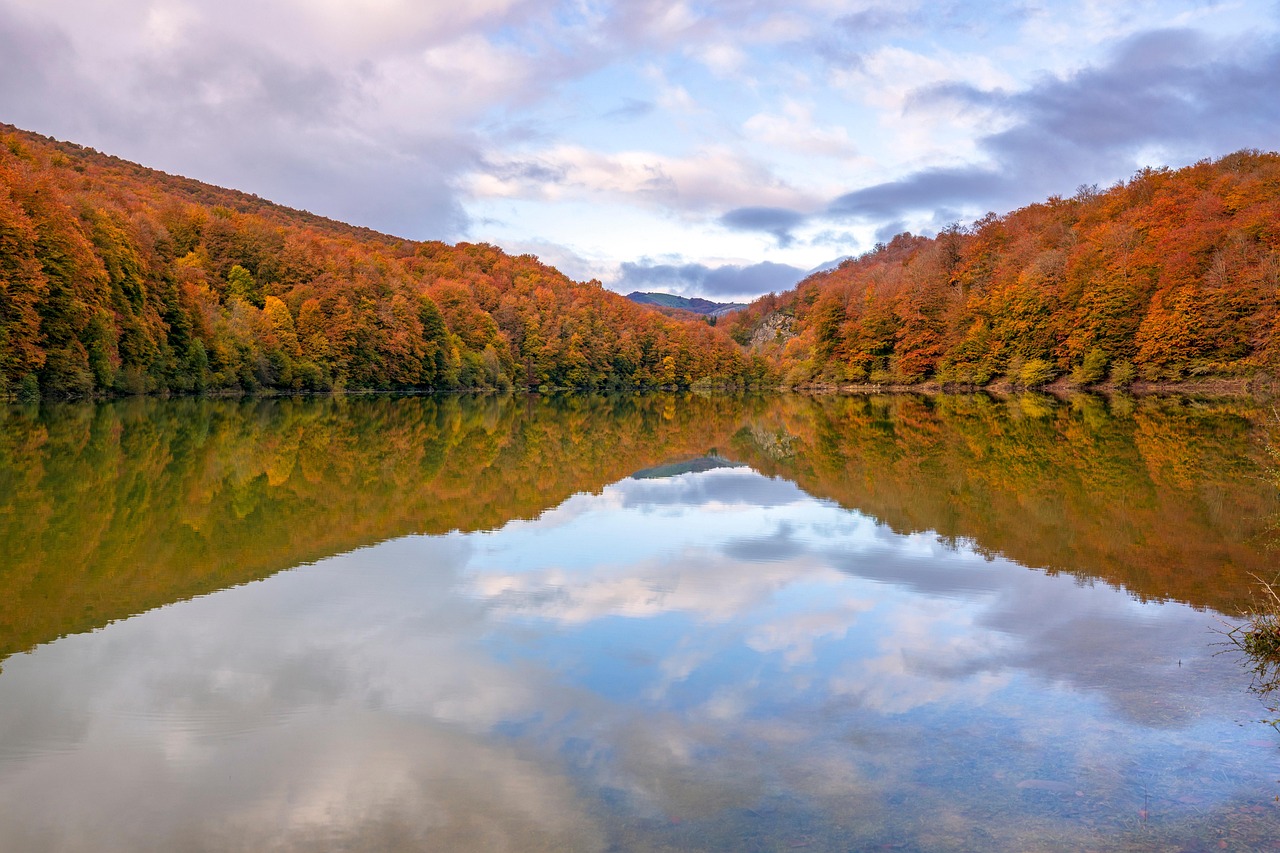
Autumn ushers in cooler temperatures and a kaleidoscope of colors as leaves change. It’s the perfect time for fall foliage hikes, cozying up by the fireplace with a good book, or enjoying harvest festivals celebrating the year’s bounty.
Winter: Snowy Retreats and Holiday Cheer
Winter brings snowy mountain retreats, frosty mornings, and chilly evenings. Embrace the season with skiing, snowboarding, building snowmen, or simply sipping hot cocoa by the fire. Don’t forget winter wonderland markets brimming with festive cheer!
Weather’s Impact on Our Activities
Weather plays a pivotal role in shaping our daily routines and leisure activities:
- Outdoor Events: Plans for picnics, barbecues, sports games, or festivals often hinge on weather forecasts. A sunny day invites us to spread a blanket in the park, while rain clouds might prompt a change of plans indoors.
- Travel: Weather conditions can impact travel decisions, from choosing routes to deciding whether to fly or drive. Heavy storms may ground flights, while clear blue skies offer ideal road trip weather.
- Gardening: Gardeners must adapt their planting schedules and gardening practices to the changing seasons and weather patterns. Knowing when to expect frost, rain, or heatwaves helps ensure a thriving garden.
- Agriculture: Farmers rely heavily on weather for crop growth and livestock management. Droughts, floods, and extreme temperatures can significantly impact harvest yields and agricultural practices.
Adapting to Ever-Changing Skies
While we can’t control the weather, we can learn to adapt to it:
- Check Forecasts: Stay informed by checking local weather forecasts regularly. Modern technology provides detailed predictions, helping you plan ahead for changing conditions.
- Dress Appropriately: Layering clothing is a smart strategy, allowing you to adjust your attire based on temperature changes throughout the day.
- Be Prepared for Extremes: Know the signs of severe weather like storms, hurricanes, or heatwaves and take necessary precautions. Have emergency supplies ready in case of power outages or other disruptions.
- Embrace Indoor Activities: On particularly inclement days, turn indoors for movies, museums, reading, or creative pursuits. There’s no shortage of ways to enjoy yourself even when the weather isn’t cooperating.
Frequently Asked Questions
-
How does temperature differ from weather?
Temperature refers to a specific measure of heat (or cold), while weather encompasses all the atmospheric conditions at a particular place and time, including temperature, humidity, wind, cloud cover, and precipitation.
-
What causes seasons?
The Earth’s tilt on its axis and its orbit around the sun cause seasonal variations. During summer, one hemisphere is tilted towards the sun, resulting in longer days and warmer temperatures. In winter, that hemisphere is tilted away from the sun, leading to shorter days and cooler temps.
-
How does climate change impact weather patterns?
Climate change, driven by human activities, leads to long-term alterations in average weather conditions. This can result in more frequent and severe heatwaves, droughts, storms, and changes in precipitation patterns worldwide.
-
What’s the difference between a weather front and a storm system?
A weather front is the boundary between two air masses of distinct temperatures and moisture levels. Storm systems are organized collections of clouds, precipitation, and thunderstorms associated with fronts or other weather phenomena.
-
How can I stay safe during severe weather?
During severe weather warnings, stay indoors in a secure building. Avoid windows, and follow local instructions for sheltering in place or evacuation if necessary. Keep a battery-powered radio to stay informed.
Conclusion:
Weather, ever-changing and unpredictable, is the silent maestro conducting our daily lives. By understanding its intricate workings and embracing its diversity, we can learn to adapt and appreciate the beauty it brings to our world—from the vibrant hues of spring blossoms to the tranquil silence of a snowy landscape. Let’s welcome each season with open arms and a sense of wonder, for weather is a profound reminder of nature’s ever-changing symphony.