
TL;DR
Weather, ever-changing and unpredictable, sets the scene for our days and defines our experiences from cozy holiday gatherings to adventurous fall foliage hikes. This guide delves into the intricacies of weather patterns, explores their impact on our lives, and offers insights into how to best prepare for and enjoy various seasonal weather events, from summer music festivals to snowy mountain retreats.
Understanding Weather: The Basics
What is Weather?
Weather refers to the state of the atmosphere at a specific time and place, encompassing factors like temperature, humidity, precipitation, and wind speed. These elements interact in complex ways, creating a diverse range of atmospheric conditions that shape our daily routines and outdoor activities.
Key Elements of Weather
- Temperature: Measures the heat in the atmosphere, typically expressed in degrees Celsius or Fahrenheit.
- Precipitation: Any form of water that falls from the sky, including rain, snow, sleet, and hail.
- Humidity: The amount of water vapor in the air, which can influence how hot or cold we feel.
- Wind: The movement of air, characterized by speed and direction, which can significantly impact weather patterns.
The Impact of Weather on Our Lives
From Daily Routines to Seasonal Celebrations
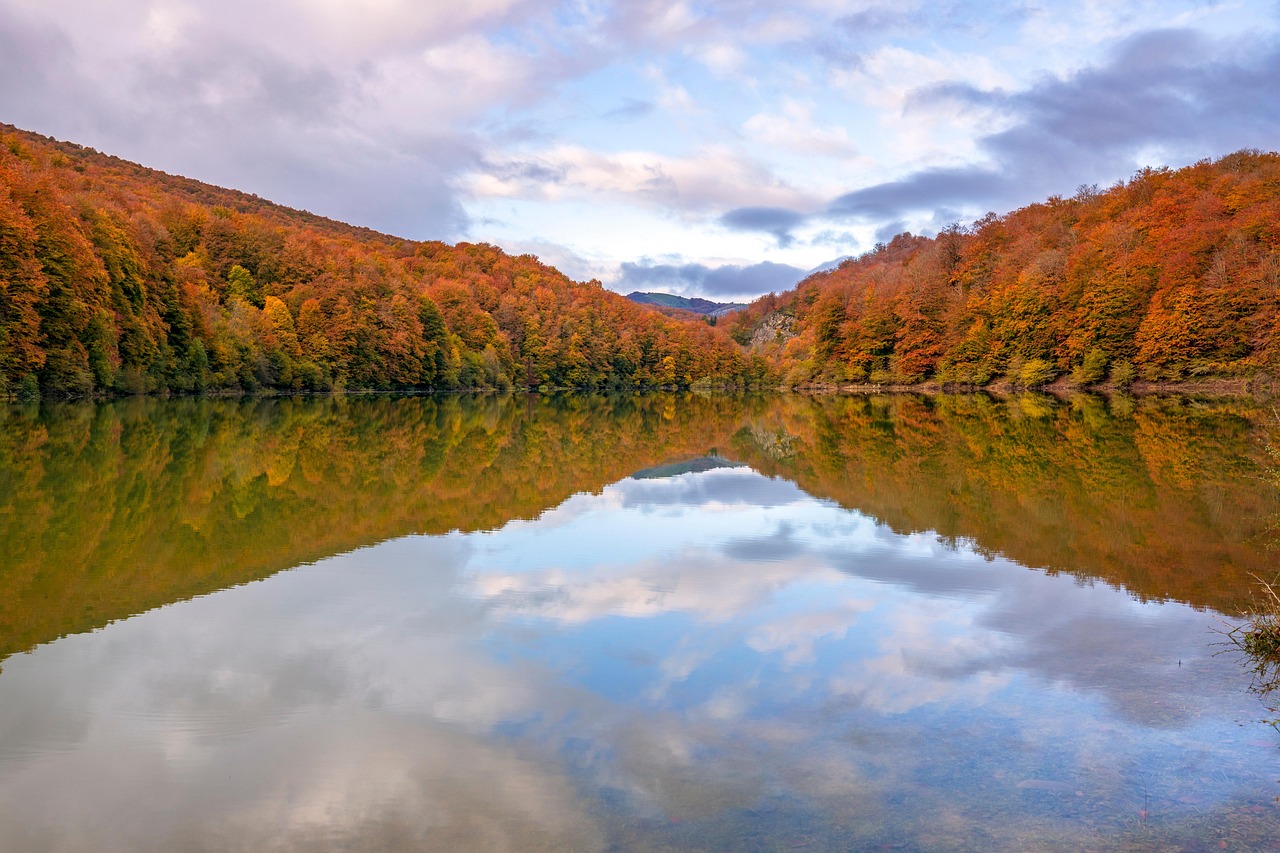
Weather plays a profound role in our daily lives, influencing everything from our commute to our mood. On a practical level, extreme weather events like storms and heatwaves require preparation and caution. But weather also adds to the richness of our experiences, whether it’s the vibrant colors of fall foliage or the magic of a wintry landscape.
Weather and Seasonal Activities
- Summer: Marked by warm temperatures, sunny skies, and longer days, summer is prime time for outdoor activities like summer music festivals, beach days, and picnics.
- Fall: Known for its crisp air and vibrant foliage, fall invites us to enjoy hikes, apple picking, and cozy holiday gatherings.
- Winter: Often characterized by cold temperatures, snow, and shorter days, winter offers opportunities for snowy mountain retreats, ice skating, and festive markets.
- Spring: A season of renewal with blooming flowers, milder temperatures, and the return of migratory birds, spring encourages outdoor activities like gardening and Easter celebrations.
Preparing for Different Weather Conditions
Staying Safe During Extreme Weather
While weather brings joy, it’s crucial to be prepared for extreme conditions:
- Heatwaves: Stay hydrated, limit outdoor activity, and seek shade or air-conditioned spaces.
- Storms: Secure loose items, listen to local forecasts, and follow instructions from local authorities.
- Snowstorms: Stock up on supplies, ensure your vehicle is winterized, and consider staying indoors until the storm passes.
Essential Weather Gear
- Rain Gear: Waterproof jackets, umbrellas, and waterproof shoes protect against rain and keep you dry.
- Winter Gear: Insulated jackets, gloves, hats, and boots are essential for staying warm in cold weather.
- Sun Protection: Sunglasses, wide-brimmed hats, and sunscreen shield you from the sun’s harmful rays.
Weather Forecasting: Tools and Techniques
Understanding Weather Reports
Weather forecasting has come a long way, thanks to advanced technology and data collection. Meteorologists use tools like:
- Weather Satellites: Provide images and data on cloud patterns, temperature, and atmospheric pressure.
- Weather Radar: Detects precipitation, clouds, and storms by tracking movement and reflecting radar signals.
- Weather Stations: Located across the globe, they measure temperature, humidity, wind speed, and other parameters.
Interpreting Weather Forecasts
Learn to interpret weather reports to make informed decisions:
- Check Daily Forecasts: Keep an eye on daily forecasts for updates on expected conditions.
- Understand Weather Terms: Terms like "front," "system," and "advancing" help describe weather patterns.
- Plan Accordingly: Adjust your plans based on forecasts, especially for outdoor activities.
Frequently Asked Questions
-
How do I stay safe during a snowstorm?
- Stock up on supplies, including food, water, batteries, and a flashlight. Stay indoors, and if you must drive, do so with caution.
-
What are the signs of a severe thunderstorm?
- Look for dark, ominous clouds, lightning, thunder, and strong winds. If you hear thunder, seek shelter immediately.
-
How can I enjoy fall foliage without getting wet?
- Check forecast for clear, crisp days. Plan hikes or scenic drives to catch the peak of foliage without heavy rain.
-
What’s the best way to stay cool during a heatwave?
- Stay hydrated, wear lightweight, breathable clothing, and limit strenuous outdoor activity. Seek shade or spend time in air-conditioned spaces.
-
Can I still enjoy outdoor activities during a pandemic?
- Yes, but follow local guidelines, wear masks when recommended, and practice social distancing to ensure safety.
Conclusion
Weather is an ever-present force that shapes our lives and experiences, from the cozy comfort of a snowy mountain retreat to the vibrant energy of a summer music festival. Understanding weather patterns, preparing for various conditions, and interpreting forecasts empower us to embrace the outdoors safely and fully. Whether you’re hiking in fall foliage, skating on a winter wonderland, or simply enjoying a sunset, appreciating the beauty and moods of Mother Nature enriches our lives in countless ways.